In the fast-paced and highly ambitious construction landscape of the UAE, traditional BIM services are undergoing a revolutionary transformation. The architecture, engineering, and construction (AEC) sectors are rapidly shifting away from static 3D drafting. Today, the core focus is strictly on developing dynamic, real-time “digital twins” integrated seamlessly with cloud collaboration for complete, end-to-end lifecycle management. This massive evolution in digital delivery bridges the historically problematic gap between initial conceptual design and real-time site execution, empowering developers and main contractors to significantly reduce capital costs, optimize fast-track timelines, and permanently prevent on-site clashes.
The Evolution of BIM services in the UAE
Historically, project stakeholders relied heavily on basic bim modeling services just to generate visual 3D representations of a building’s physical geometry. While these foundational models provided crucial spatial awareness and improved architectural visualization, they often lacked the intelligent, actionable metadata required to truly run a smart, complex construction site. Today, establishing a sophisticated bim system goes far beyond basic geometric shapes. It incorporates real-world asset data, detailed manufacturing specifications, real-time cost metrics (5D), and precise construction scheduling sequences (4D).
This massive technological shift means that when engineering professionals ask what is BIM modeling, the answer now revolves completely around the creation of a living digital twin. This digital twin acts as a continuously evolving database that matures alongside the physical building—from early planning and design phases all the way through to facility management and post-delivery operations.
Enhancing bim project management Through Cloud Collaboration
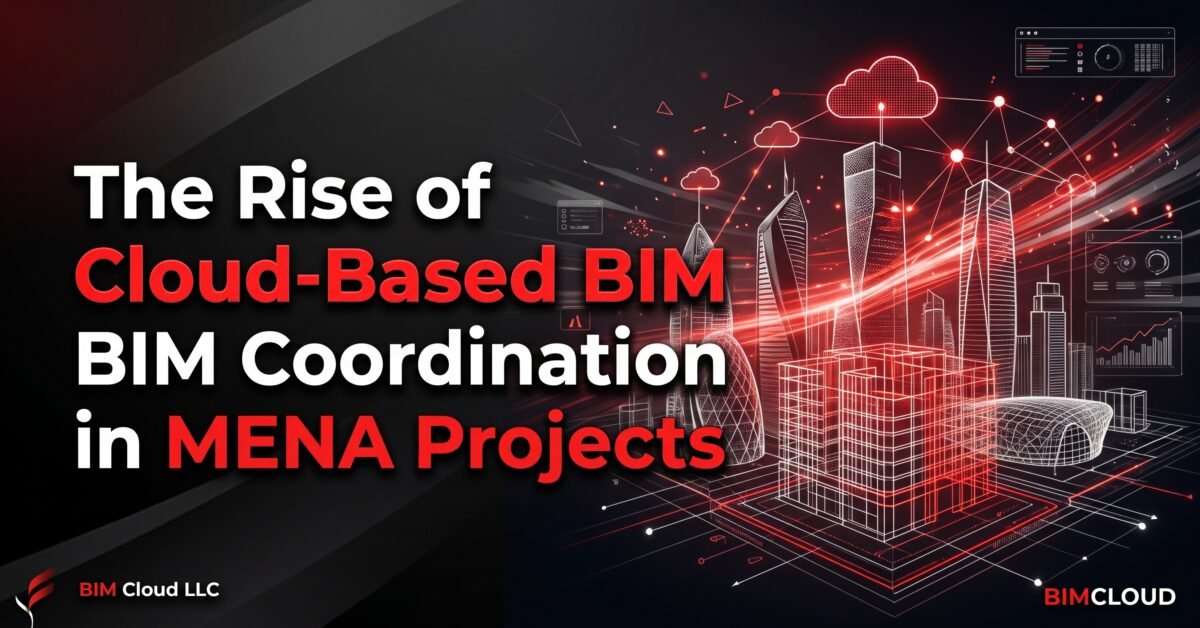
The true power of a modern digital twin lies in its real-time accessibility. Advanced bim project management now relies heavily on a Common Data Environment (CDE) hosted entirely in the cloud. This ensures that every project stakeholder—from the MEP sub-contractor in the field to the developer in the boardroom—is looking at the exact same, up-to-date data.
At BIM Cloud, a forward-thinking engineering and consultancy firm based in the UAE, we leverage these advanced cloud environments to provide an integrated platform for decision-making, collaboration, and lifecycle management. Whether it involves coordinating intricate structural rebar details or routing massive mechanical systems, utilizing the right bim software for construction enables disparate teams to solve spatial problems digitally before a single piece of material is ordered or installed.
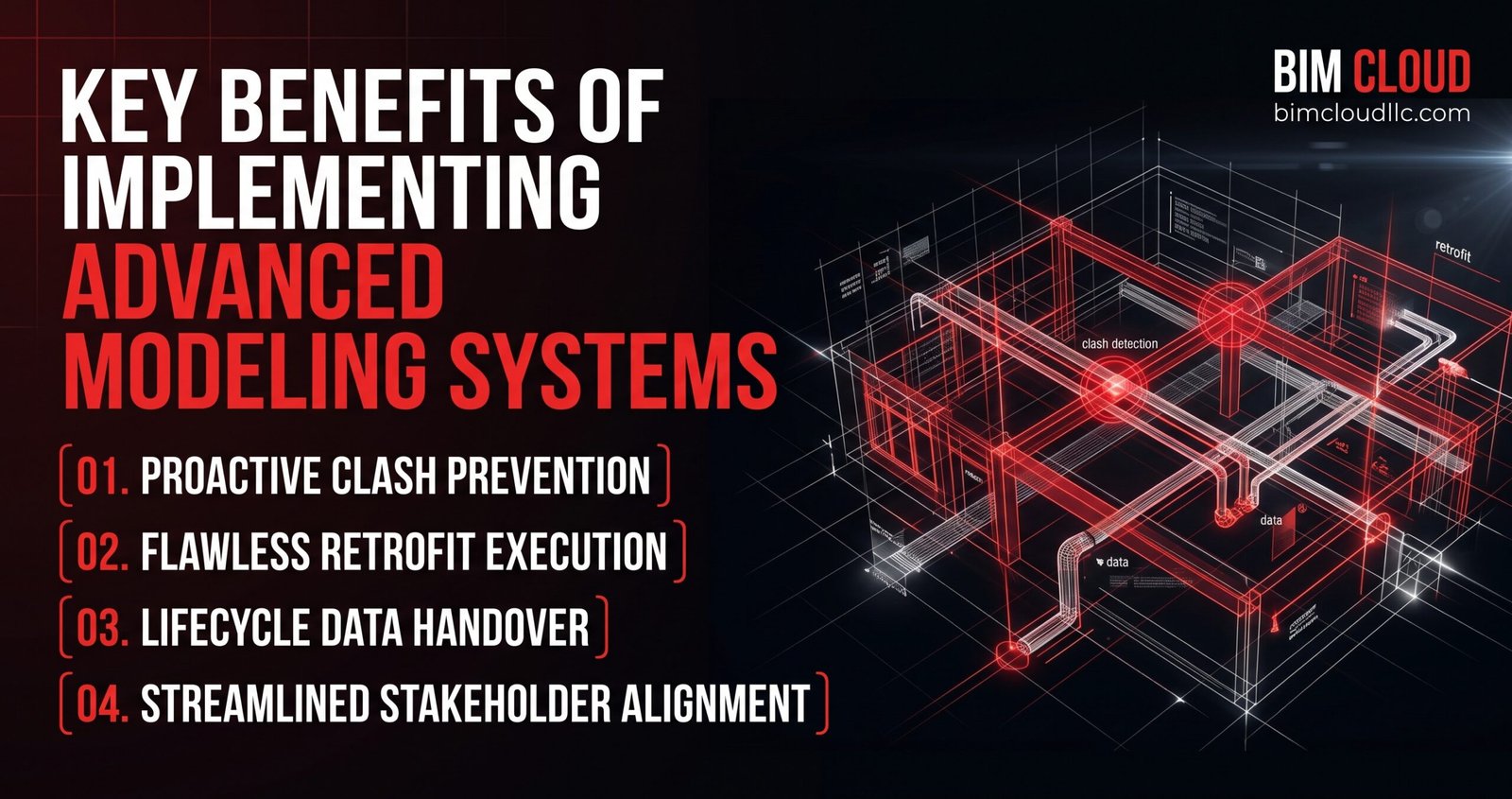
Key Benefits of Implementing Advanced Modeling Systems
Moving beyond static drafting into comprehensive, data-driven solutions delivers tremendous commercial advantages for large-scale UAE mega-projects. By implementing an advanced digital twin strategy, construction stakeholders unlock the following operational benefits:
- Proactive Clash Prevention: By running automated multi-discipline clash detection early in the design phase, teams eliminate physical overlaps digitally. This heavily reduces expensive on-site rework and guarantees much smoother field installation.
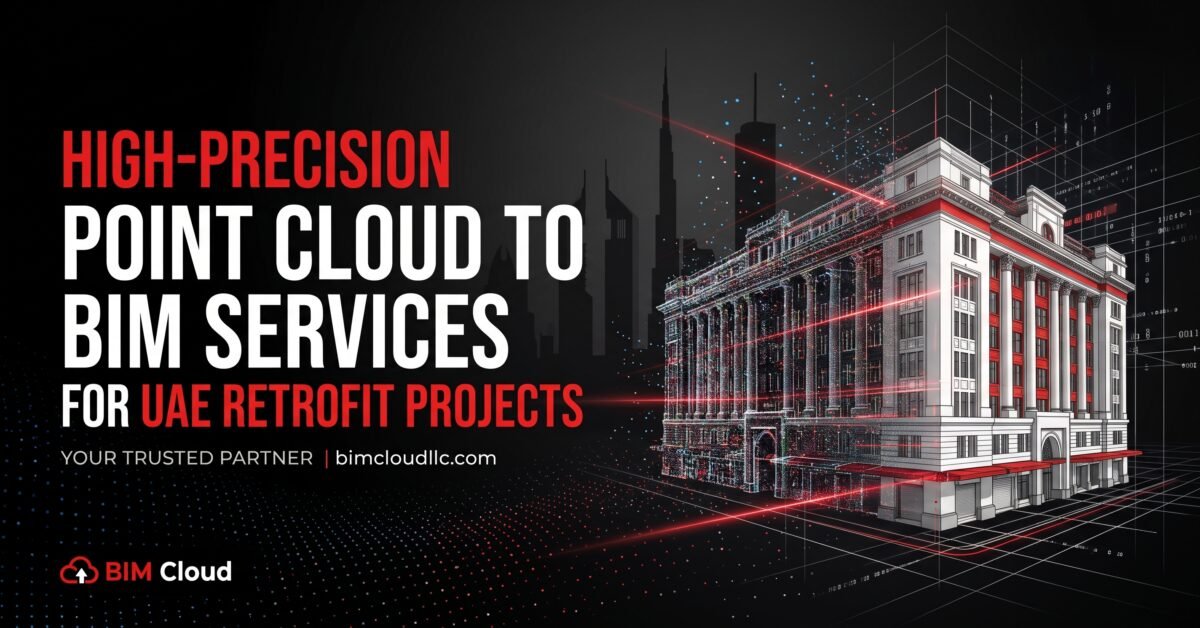
- Flawless Retrofit Execution: For existing structures and heritage sites, integrating precise point-cloud data from a specialized scan to bim company allows project managers to create exact digital twins of older buildings, ensuring that new MEP designs fit perfectly into complex legacy spaces.
- Lifecycle Data Handover: Instead of delivering disorganized paper manuals at project completion, contractors can hand over a highly intelligent LOD 500 model. This equips facility managers with exact maintenance schedules, manufacturer warranties, and operational metrics.
- Streamlined Stakeholder Alignment: Providing a unified digital platform allows architectural, structural, and MEP teams to work together seamlessly, improving accuracy and accelerating project delivery.
Delivering Unmatched Value for Consultants and Contractors
Choosing the right partner to execute these advanced BIM services is crucial for safeguarding your overall profit margins and protecting your project timeline. As digital compliance requirements become stricter and more rigorous across major developments in Dubai and Abu Dhabi, main contractors and developers must rely on experts who can consistently deliver accurate, clash-free, and fabrication-ready geometry. By offering comprehensive, end-to-end digital support, our tailored solutions cater directly to consultants and designers looking to enhance their fundamental design integrity, automate document production, and guarantee flawless interdisciplinary coordination across every single package.
Looking at our extensive project portfolio—which includes landmark UAE developments such as Emaar Creek Harbor, The Mukaab, and Damac Towers—it is clear that deploying a centralized, cloud-based digital twin strategy ensures that even the most complex skyscrapers are delivered on time, within budget, and to the absolute highest international standards.
Frequently Asked Questions (FAQs)
What are BIM services?
They encompass the comprehensive digital processes used to create, manage, and share information across a construction project’s entire lifecycle. This involves translating 2D drawings into intelligent 3D models, performing automated clash detection, generating accurate shop drawings, and providing a data-rich digital twin for long-term facility management operations.
What is BIM in Dubai?
In Dubai, Building Information Modeling has become a highly regulated and heavily mandated standard by local authorities (such as the Dubai Municipality) for most major construction projects. It is used to ensure extreme engineering precision, minimize environmental material waste, and guarantee that massive skyscrapers and infrastructure developments are built safely and efficiently.
What does the BIM stand for?
It stands for Building Information Modeling. It is not just a single piece of software, but rather a highly collaborative digital methodology that integrates the physical and functional characteristics of a facility into a unified, smart digital environment.